About
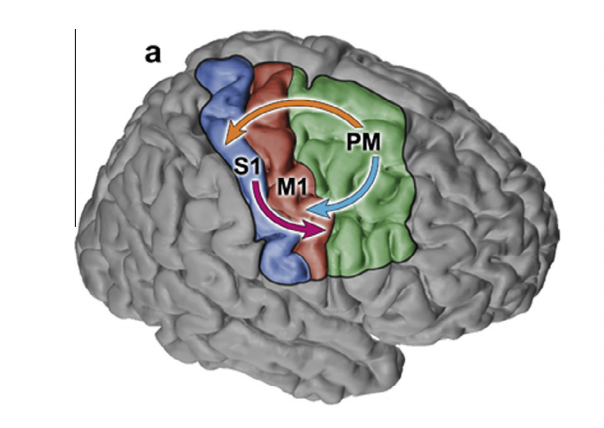
It is increasingly clear that to unlock the mysteries of how the human brain operates, we must delve into the intricate networks of neurons. These networks underlie the cognitive and behavioral functions that define us: the memories we hold dear, the love we share, and the pain we navigate. Brain diseases manifest signs and symptoms by disrupting these networks. Abnormal electrical activity that arises and propagates through these networks can result in seizures, while the loss of critical networks may lead to memory difficulties, as seen in Alzheimer’s Disease. Pathological alterations in these networks are also linked to conditions such as Parkinson’s Disease and autism.
Our laboratory is dedicated to advancing the understanding of brain networks, particularly the changes they experience in disorders of the brain, including traumatic brain injury, epilepsy, movement disorders, stroke, and cognitive impairments.
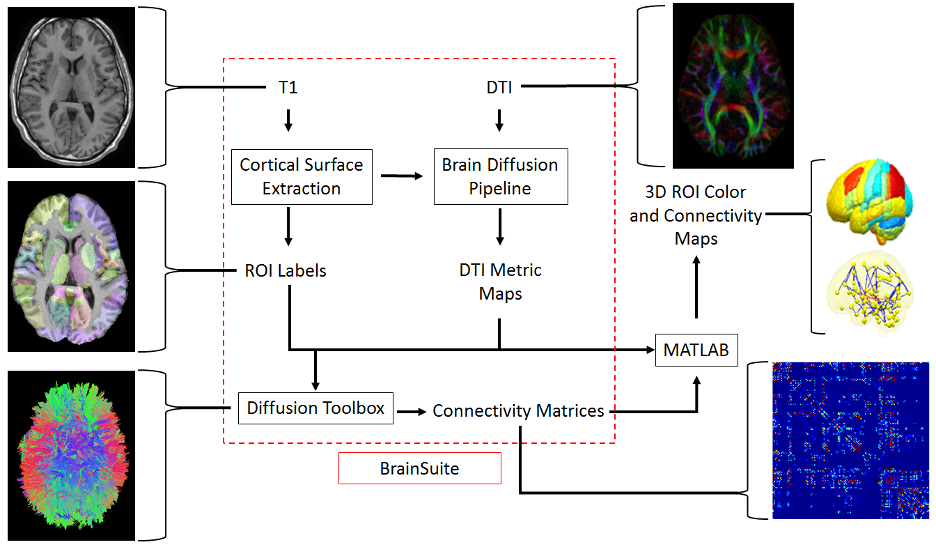
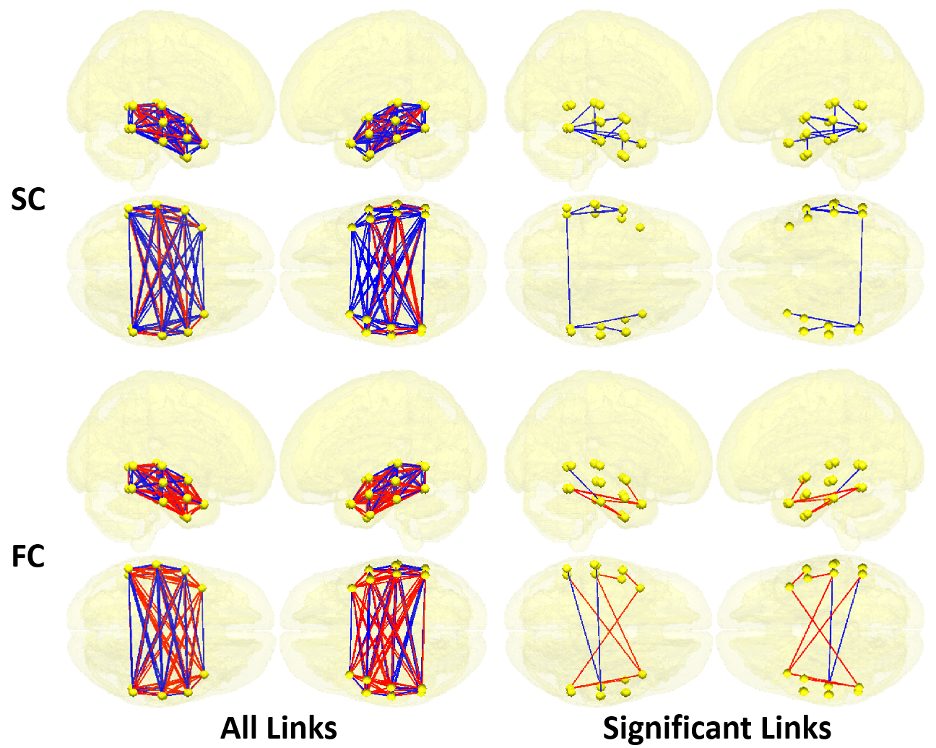
In our imaging studies, we strive to understand these changes at the macroscopic scale. Using advanced imaging techniques, such as resting-state functional MRI (rsfMRI) and diffusion tensorimaging (DTI), we assess connectivity between brain regions. These connectivity measurements are referred to as connectomes. We have developed, and will continue to refine, computational methods to compare brain connectomics between patients and healthy individuals. Our objective is to illuminate both regional and global changes in structural and functional brain connectomes associated with various central nervous system (CNS) disorders.
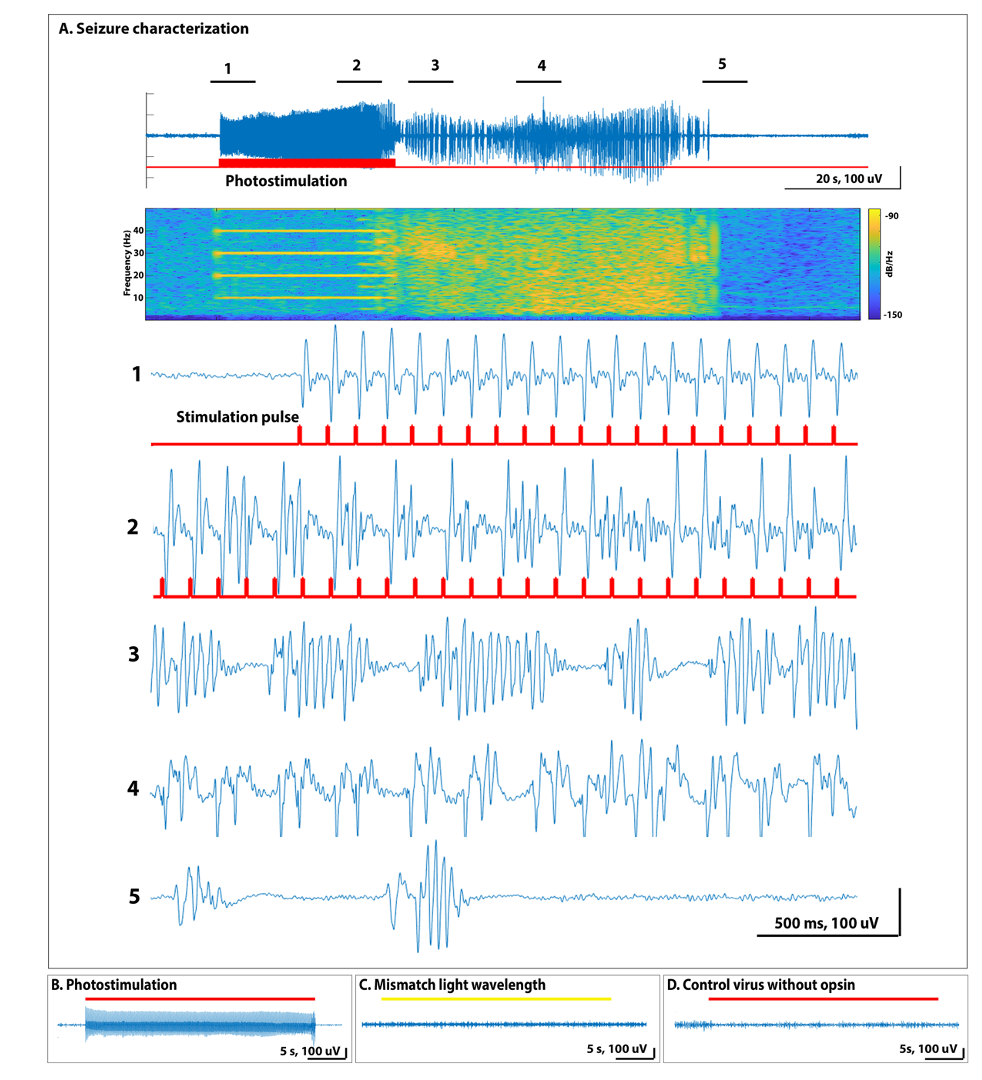
In our electrophysiological investigations of epilepsy, we seek to uncover microscopic alterations in brain connectivity. We employ techniques such as optogenetics, calcium imaging, chemogenetics, and intracranial recordings in both animal models and human patients to explore the cellular and network mechanisms underlying the initiation, propagation, and termination of seizures. We aspire to enhance the efficacy and effectiveness of treatments for those affected.
Our research is supported by the National Institute of Neurological Disorders and Stroke (NINDS), the U.S. Department of Defense (DOD), and philanthropic donations.